Skip to content

Most people think of Botox as something you turn to once the wrinkles are already there, visible lines that need softening. But that thinking is shifting, and for good reason. A growing number of patients in their mid-to-late 20s and early 30s are now choosing preventative Botox as a proactive part of their skin care, not because they have deep lines, but because they’d rather not get them.
If you’ve found yourself wondering whether you’re “too young” to start or quietly noticing early expression lines in photos, you’re not alone in that. This blog walks through when the right timing actually is, why starting earlier works from a biological standpoint, and what a first visit looks like at Lips and Drips by Erica Marie in Philadelphia.
When should someone start preventative Botox?
The best time to consider preventative Botox is in your mid-to-late 20s to early 30s, before repetitive expression lines transition from temporary to permanent creases in the skin.
Why Timing Is Everything With Botox
Here is the part most people do not fully understand: not all wrinkles are created equal. The lines that form around your eyes, forehead, and brow are called dynamic wrinkles, and they come directly from repetitive muscle movement. Every time you smile, squint at your phone, or furrow your brow in concentration, those muscles contract. Over the years, those repeated contractions carve grooves into the overlying skin.
A wrinkle-relaxer treatment like Botox or Dysport works by temporarily blocking the nerve signals that cause those muscles to contract. When the muscle relaxes, the skin above it smooths out. That mechanism is the same whether you are correcting an existing line or preventing one from forming. But the difference in outcome is significant.
When forehead line injections or crow’s feet treatments are used before the skin has had years of repeated creasing, the groove simply never deepens. When they are used after the line is already etched, the treatment softens it but cannot fully undo the structural change that has already occurred. That is the core case for starting earlier: you are working with your skin before the pattern is set, not against it after the fact.
What “Earlier” Actually Means — The Right Window
There is no universal age that flips the switch. The right window is not about turning a specific age; it is about where your skin is in its own progression. Expression lines tend to become more prominent in your 30s and worsen from there. That means the window for anti-aging injectables used preventatively opens before that progression takes hold, typically in the mid-to-late 20s for many people, though it varies.
A few things are worth noting here. You do not need deep lines to be a good candidate. In fact, if you notice faint lines that appear when you make expressions and linger for a few seconds after your face relaxes, that is often the exact moment when preventive treatment makes the most clinical sense. Those are early dynamic wrinkles, indicating the muscle pattern is forming.
Starting earlier is also, genuinely, a practical decision rather than a cosmetic one. Maintaining a consistent treatment plan before lines are established tends to require less product and fewer corrections over time. The goal is preservation, not transformation.
How Preventive Botox Works Differently
Corrective and preventative Botox use the same injectable, but their intent and outcomes are different. Corrective Botox treatment is used to soften lines that are already visible at rest. Preventative Botox interrupts the repetitive muscle contraction pattern before the skin has had enough time to crease permanently.
Because earlier treatment addresses muscle activity before deep lines form, patients starting in this window often need fewer units to achieve their goals. There is also a meaningful aesthetic advantage: natural-looking results are significantly easier to achieve when the skin has not yet been significantly altered. At Lips and Drips, Botox and Dysport are treated as skill-sensitive procedures. The injector’s knowledge and technique directly affect how natural and effective the outcome looks, and that is especially true when the goal is subtle, preventative work.
What Starting Early Looks Like at Lips and Drips
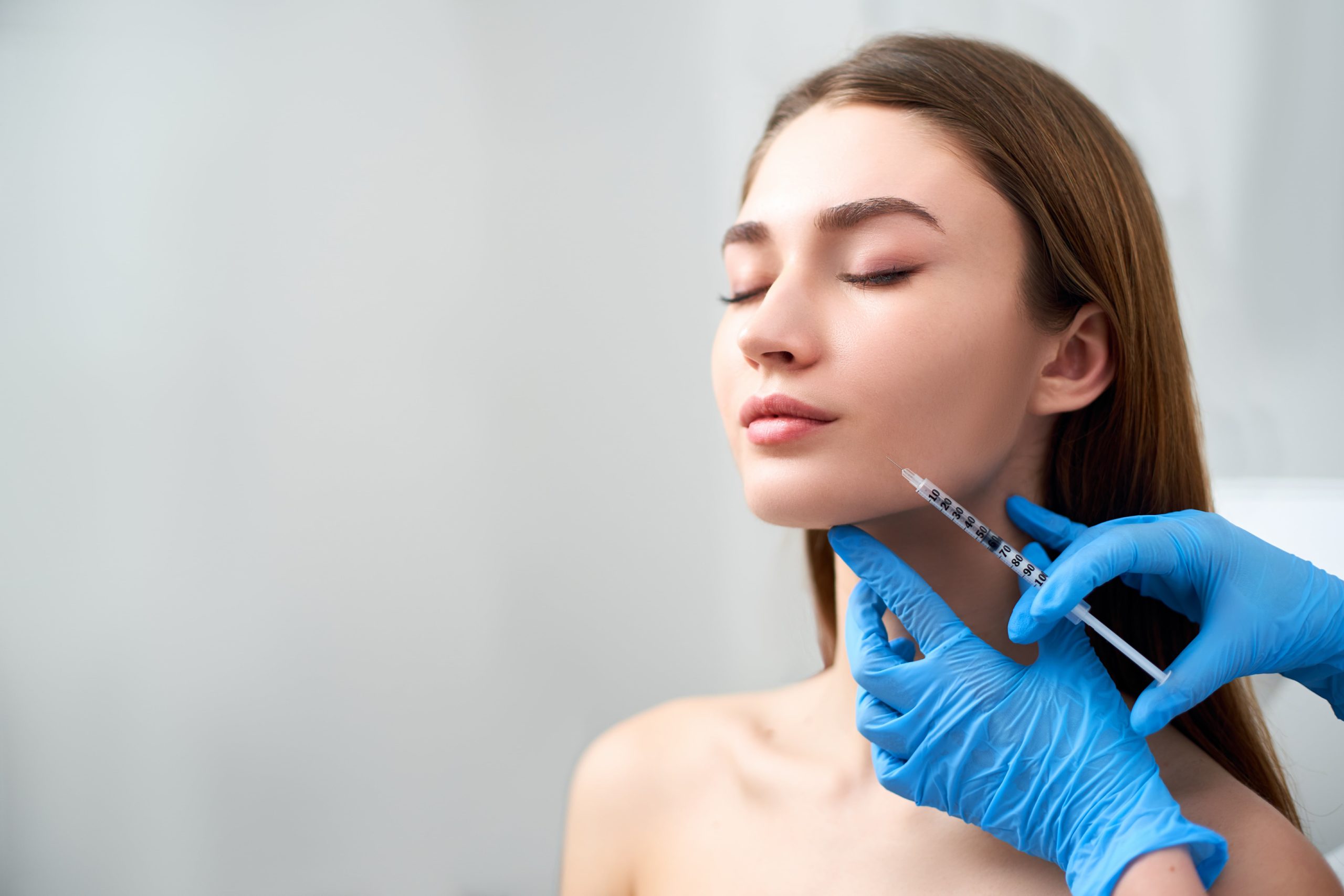
For patients considering preventative Botox, the first step at Lips and Drips by Erica Marie is a complimentary consultation. During that visit, your provider will assess your movement patterns, the areas where expression lines are beginning to form, and what a realistic treatment plan looks like for your face specifically. Common starting points include forehead line injections, frown lines between the brows, and crow’s feet around the eyes, all of which are FDA-cleared treatment areas for Botox and Dysport.
For anyone searching for Botox in Philadelphia, PA, Lips and Drips brings a focused, results-driven approach to every treatment. The emphasis is on results that look like you — just rested, refreshed, and ahead of the curve.
The Best Time to Start Is Before You Think You Need It
Preventative Botox is not about chasing perfection or starting treatments before your skin has changed at all. It is about understanding that the window between “I notice faint lines when I make expressions” and “those lines are now visible at rest” is exactly when treatment does its best work. Waiting until the lines are prominent means spending more time and more product correcting something preventable.
If you have been curious about starting earlier, Lips and Drips by Erica Marie is ready to have that conversation with you. Call (215) 914-3200 or Book Your Botox Consultation Today to schedule your complimentary consultation and find out whether now is the right time for you.